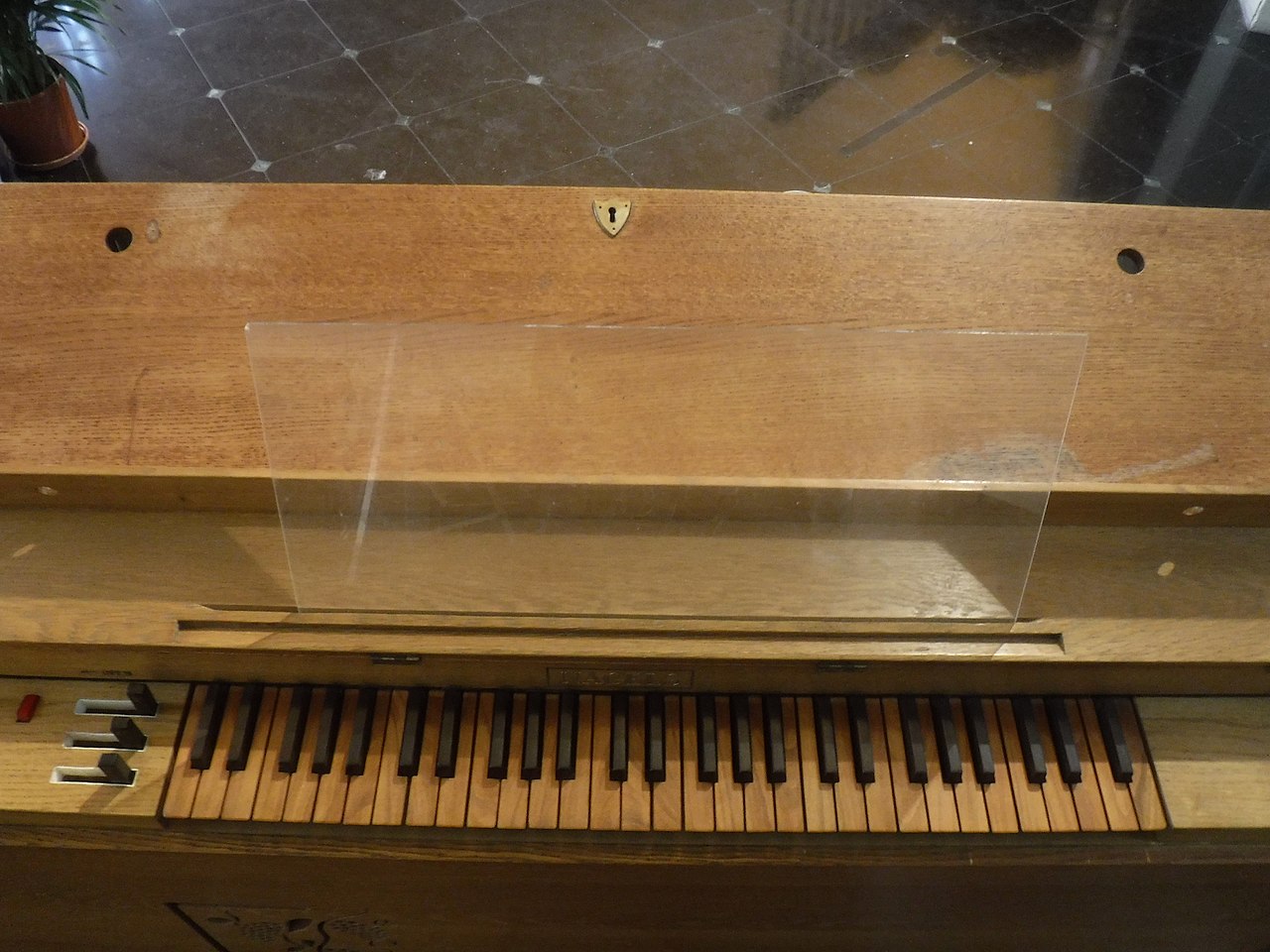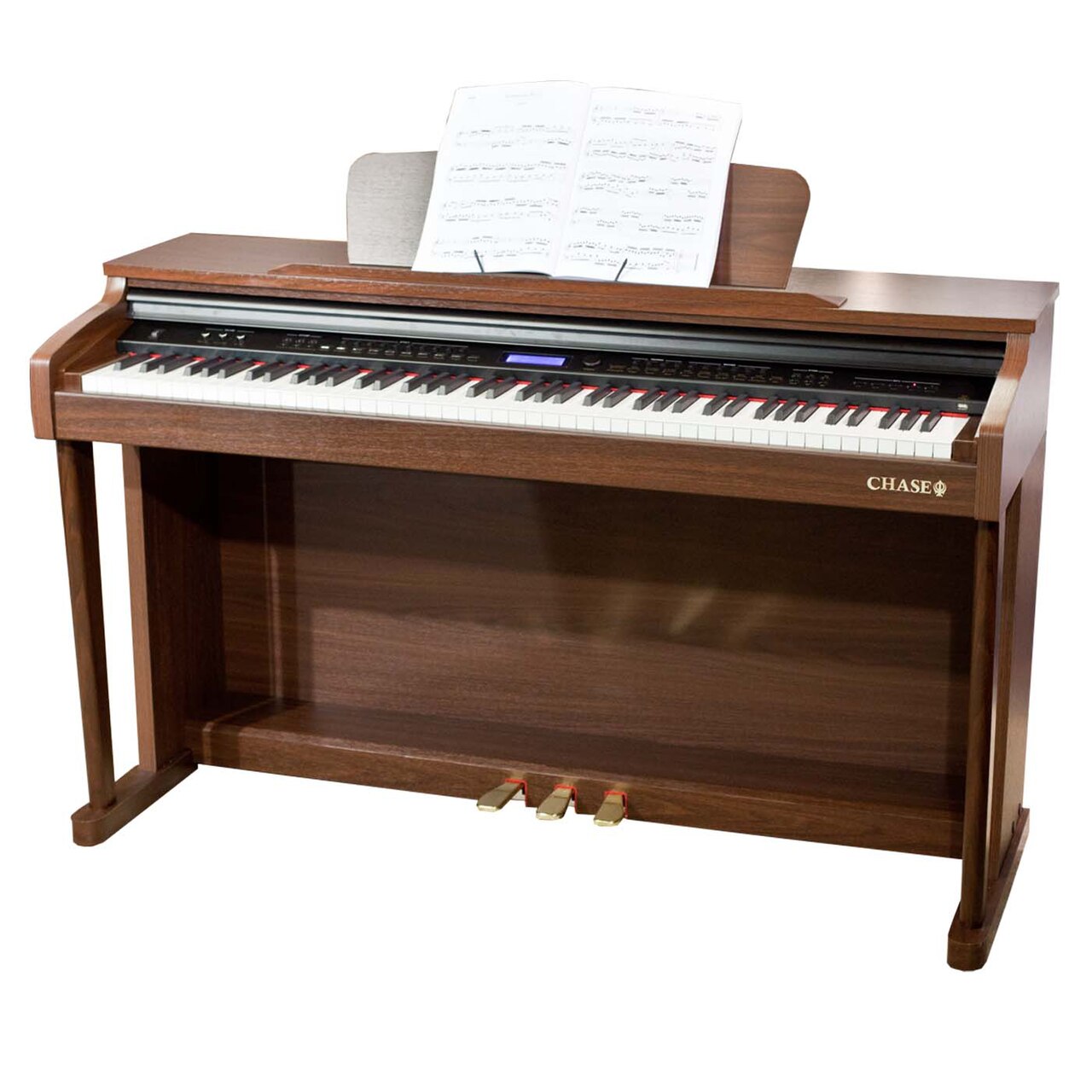

The question beginners ask most often is whether they should buy a digital piano or a keyboard, and the honest answer is that the two names describe different instruments with different purposes. A digital piano is built to feel like a piano. A keyboard is built to do many things adequately and nothing exactly.
Which one is right depends on what you intend to play in six months, not on what you can afford today.
The defining difference is the action
A digital piano uses a hammer action: pressing a key moves a weighted mechanism that mimics the leverage of a real piano. The resistance increases as the key travels, and the key returns with a certain inertia.
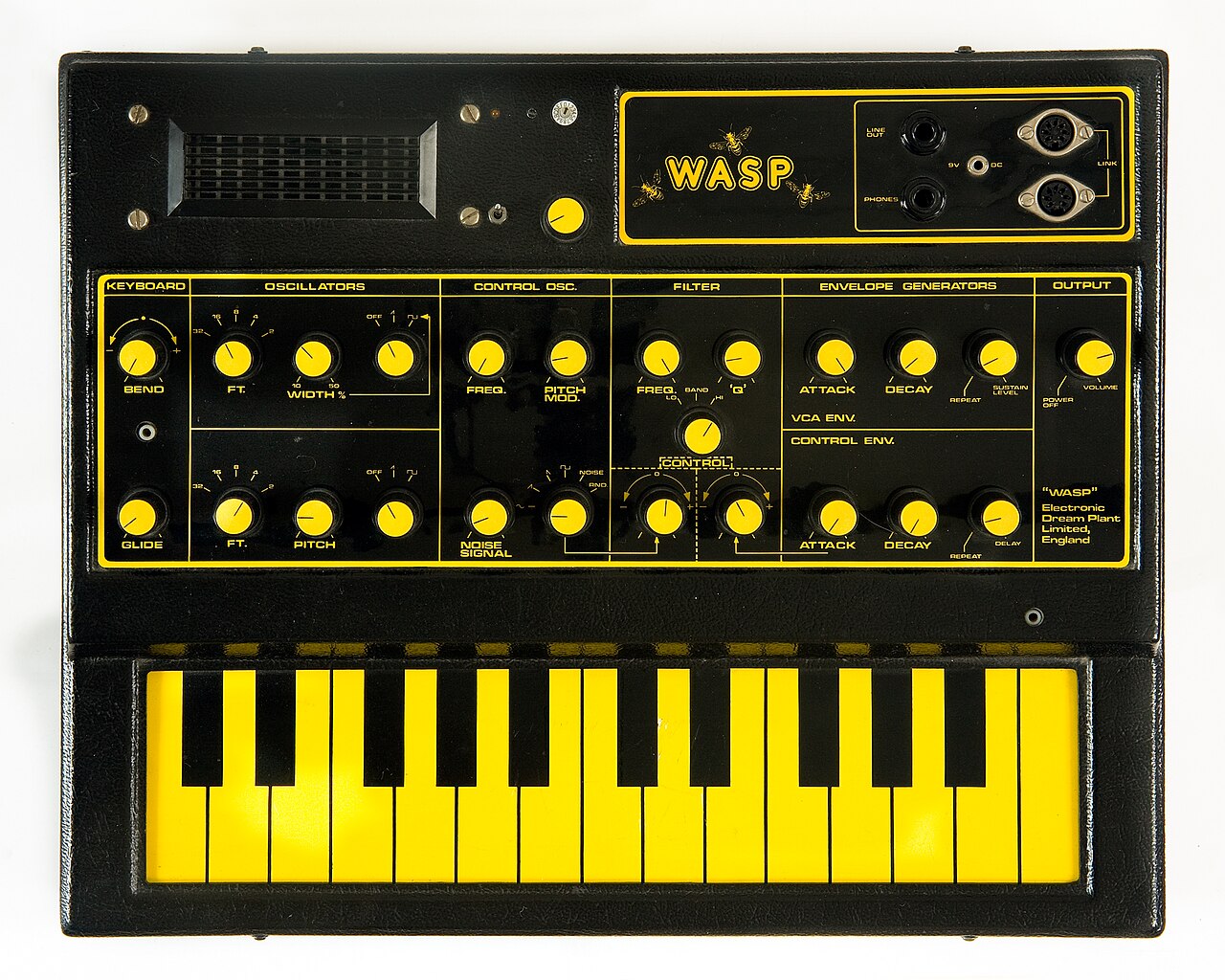
A keyboard uses a sprung synth action. The key goes down under light spring pressure, hits a rubber contact, and comes back quickly. It is fast, light and completely unlike a piano.
Everything else that people compare, the sounds, the speakers, the connectivity, matters less than this one difference, because the action determines what your hands learn.
Why the action matters more than the sound
If you practise on a light action for a year and then sit at an acoustic piano, your fingers will not have the strength or the control to play softly. Dynamics, the difference between a quiet passage and a loud one, depend on how finely you can control force, and a light action gives you very little range to control.
The reverse is also true: a beginner on a heavy action learns control early and finds lighter instruments easy afterwards. Starting heavy is harder, and it is the direction that pays off.
What a keyboard does better
Keyboards are lighter, cheaper, more portable, and often include hundreds of sounds, rhythms, splits and layers. If your interest is production, band work, worship teams or playing multiple instruments from one board, a keyboard is the correct tool and a digital piano would be a limitation.
A keyboard is also the better choice for a child who is not yet sure about music, because the investment is smaller and the instrument can move to a different room or a different house.
What a digital piano does better
A digital piano gives you a stable stand, pedals in the right place, a proper bench height and speakers that fill a room. That furniture aspect is not cosmetic: playing with a sustain pedal under your foot and the keyboard at the correct height is a completely different physical experience from playing on a table.
It also holds value better. Digital pianos are bought by people who intend to keep them, and the second-hand market reflects that.
Key count and range
Sixty-one keys covers most pop and rock repertoire and most method books up to an intermediate level. Seventy-six keys is a useful compromise. Eighty-eight keys is the full piano range and is what classical repertoire assumes.
If you intend to follow a classical method, buy 88 keys. Buying 61 and discovering the limitation six months later is the most common beginner regret in this category.
The pedal question
A sustain pedal is not an accessory; it is part of how piano music works. Half-pedalling, where the pedal is partially depressed, is a technique that requires a proper pedal unit rather than a switch.
Keyboards usually accept a simple switch pedal that is either on or off. Digital pianos usually offer a continuous pedal input, and the better ones include a three-pedal unit. If you intend to play any romantic or impressionist repertoire, this matters.
Budget allocation for a beginner
If the budget is fixed, spend it in this order: action, then key count, then pedals, then sound quality, then everything else. A machine with a good action and average speakers will teach you to play. A machine with average action and excellent speakers will teach you to press buttons.
This is also why a used mid-range digital piano is often a better buy than a new budget keyboard: the money goes to the mechanism rather than to the feature list. A comparison such as this digital piano vs keyboard breakdown is useful mainly for checking the action type each model actually uses, which is the specification most listings bury.
How to test an action in a shop
Play a slow scale from the lowest key to the highest and listen for unevenness. Then play the same note repeatedly at different volumes and see whether you can produce four distinct levels. A good action lets you; a poor one gives you loud, louder and loudest.
Finally, press a key slowly all the way down. On a hammer action you should feel a slight increase in resistance before the key bottoms out. On a synth action the resistance stays constant, which is the giveaway that you are playing a keyboard rather than a piano.
What about hybrids and stage pianos
A stage piano is a digital piano without the cabinet, designed to be amplified. It is a good choice if you already own a stand and a decent speaker, and a poor choice if you need something that looks like furniture in a living room. A hybrid combines a real wooden action with a digital sound engine, and it costs as much as a good acoustic upright.
How to test an action in a shop
Play a slow scale from the lowest key to the highest and listen for unevenness. Then play the same note repeatedly at different volumes and see whether you can produce four distinct levels. A good action lets you; a poor one gives you loud, louder and loudest.
Finally, press a key slowly all the way down. On a hammer action you should feel a slight increase in resistance before the key bottoms out. On a synth action the resistance stays constant, which is the giveaway that you are playing a keyboard rather than a piano.
What about hybrids and stage pianos
A stage piano is a digital piano without the cabinet, designed to be amplified. It is a good choice if you already own a stand and a decent speaker, and a poor choice if you need something that looks like furniture in a living room.
Renting before buying
Many music shops rent digital pianos by the month, and three months of rental costs less than being wrong about the action. If you are buying for a child who may lose interest, rent first and buy once the habit is established.