





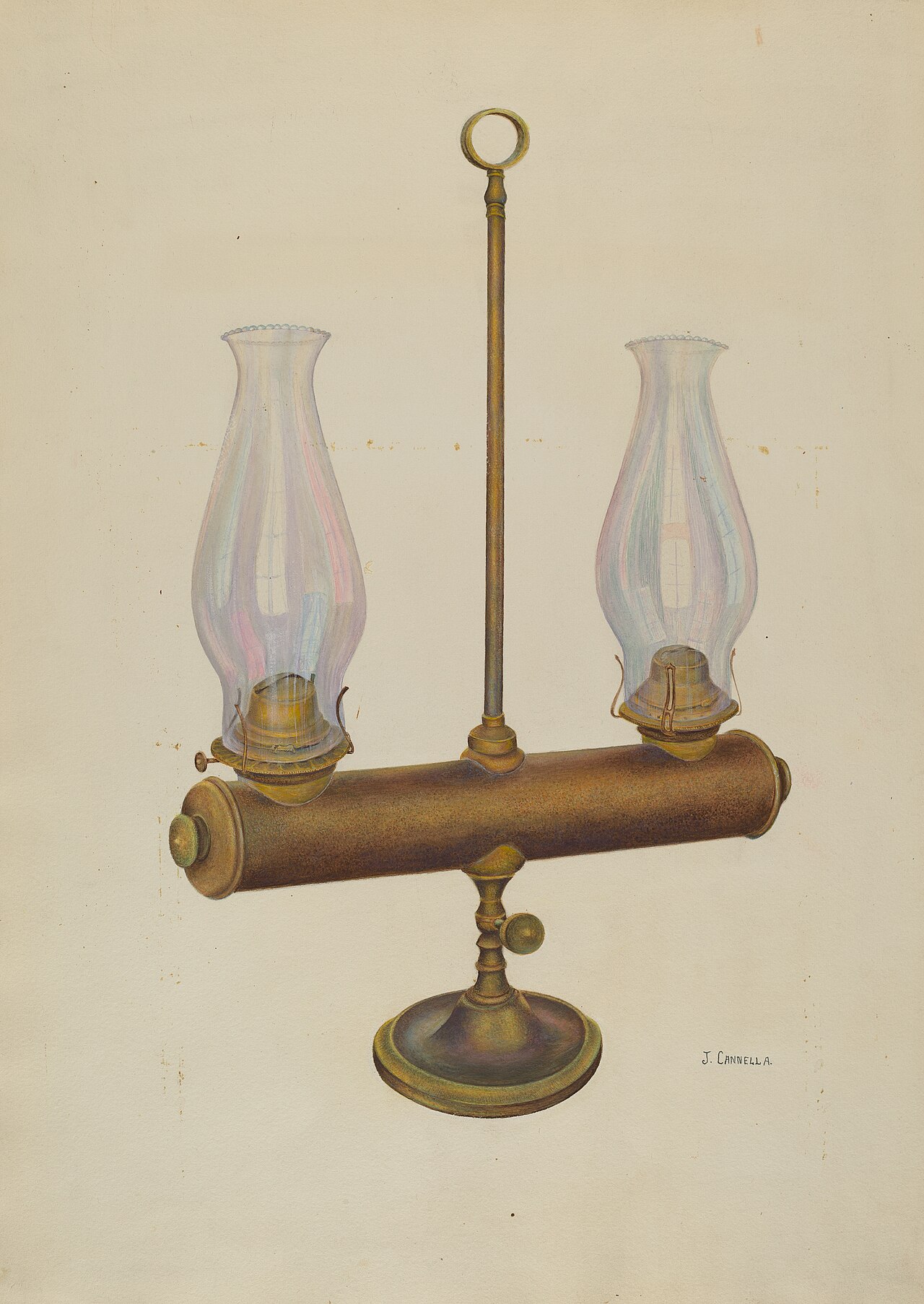
A reading lamp has one job: put steady, even light on a page for an hour or two without making your eyes work harder than they should. Most lamps sold as reading lights do part of that job, and the differences only show up after forty minutes of use, which is why the five features below matter more than the number of brightness steps on the box.
1. The right light output, not the maximum
Reading needs roughly 400 to 700 lumens concentrated on the page, and more is not better. A lamp that pushes 1200 lumens onto a paperback produces glare, and glare is what makes readers squint and shift away from the light. What you want is a sensible top end and enough range to dial it down in the evening.
Dimming should be continuous rather than three fixed steps. Stepped dimming almost always has a gap exactly where comfortable reading sits, leaving you to choose between too bright and too dim.
2. Colour temperature that matches the hour
Reading under 4000K in the evening keeps the page crisp without the blue-heavy feel of a 6000K lamp, which tends to make people feel alert right when they want to wind down. A lamp with a warm-to-neutral range is more useful than one fixed at daylight.
Check how the colour temperature changes with brightness. Some lamps warm their tint as they dim, which sounds clever and often looks orange at the levels where you actually read.
3. No flicker, visible or otherwise
Cheap drivers flicker at twice the mains frequency, and while most people cannot see it directly, it contributes to the headache and eye fatigue that send readers looking for a new lamp. A quick test is to point your phone camera at the lamp: visible banding on the screen is a warning sign even if your eyes do not notice it.
A lamp that keeps its output steady at low brightness is worth more than one with a higher peak output and a noisy driver.
4. A head that goes where you point it
The light should land on the page, not on your face or on a glossy screen. That requires a head that tilts and swivels through a useful range and holds its position once set. A joint that sags under its own weight will have you re-aiming the lamp every evening.
For paper reading, position the lamp to the side of your writing hand, slightly forward of the page, so your hand does not cast a shadow over the words.
5. A base and arm that suit your desk
A heavy base takes desk space and interferes with a keyboard; a clamp mount frees the surface but needs a thick enough edge to grip. Measure the edge of your desk before choosing a clamp, and check that the arm reach puts the head over the page rather than over your hands.
Reach matters more than height. A tall lamp that cannot lean forward ends up lighting the wall behind you, which looks cosy and is useless for reading.
How the five features interact
A lamp with excellent colour temperature and a flickering driver is worse than a plain warm lamp with stable output. A lamp with perfect light and a head that will not hold position becomes annoying within a week. Judge them together: steady output first, then colour, then the mechanical parts.
Price does not map cleanly onto these features. Plenty of mid-priced lamps get flicker and dimming right while charging for a branded base, and some expensive designer lamps would fail the phone-camera test.
Placement and the rest of the room
A reading lamp works best when the room is not pitch dark. A little ambient light reduces the contrast between the page and the surroundings, which is what causes the eye to constantly readjust. A second, dimmer light across the room is usually enough.
If you read in bed, keep the lamp head below eye level when seated and aim it at the page from the side. Light shining into the eyes at close range is the fastest way to make a good lamp feel bad.
What to check before you buy
Look for a stated lumen output rather than wattage, a colour temperature range rather than a single number, and smooth dimming rather than steps. If a listing gives none of those, the specification is decoration.
A focused list of the best desk lamps for reading is useful because it filters out lamps that fail the flicker and dimming basics, which are the two things you cannot judge from a product photo.
Finally, check the warranty and whether the LED module is replaceable. A lamp with a sealed, non-replaceable module is a disposable product, and it should be priced like one.
Bulbs, bases and the retrofit option
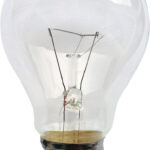
If the lamp takes a standard screw bulb, it will outlive any built-in LED. Choose a high colour rendering bulb, ideally 90 or above, so print and fabric colours look right, and pick a warm white around 2700K for evening reading. A replaceable bulb also means the lamp can be updated when better bulbs appear.
Reading in bed without disturbing anyone
A narrow beam aimed at the page keeps light off the other side of the bed. Look for a shade that is closed at the back, or a lamp with a directional head, and keep the brightness below 300 lumens for night reading. A bright lamp at eleven at night will keep you awake regardless of how comfortable the page is.
What about a lamp with a fixed colour temperature
A fixed 4000K lamp is a reasonable compromise for reading, because it keeps small print crisp without the harshness of 6000K. What it cannot do is warm up in the evening, which is the point at which many readers move the lamp away and read in the dark. If the lamp is for a bedside table, a warm-to-neutral range is worth the extra cost.
The shade and the bulb you cannot see
A diffuse shade spreads the light and raises the room brightness, which reduces the contrast between page and surroundings. An open shade concentrates it on the page and makes the contrast harsher. Neither is wrong; they suit different rooms, and a lamp bought for a bright room often disappoints in a dark one.


