




Eighty-eight keys is the standard range of a piano, and the number is repeated so often that buyers treat it as a marketing preference rather than a functional limit. It is a functional limit, and it decides which repertoire you can play without transposing it.
Where the range comes from
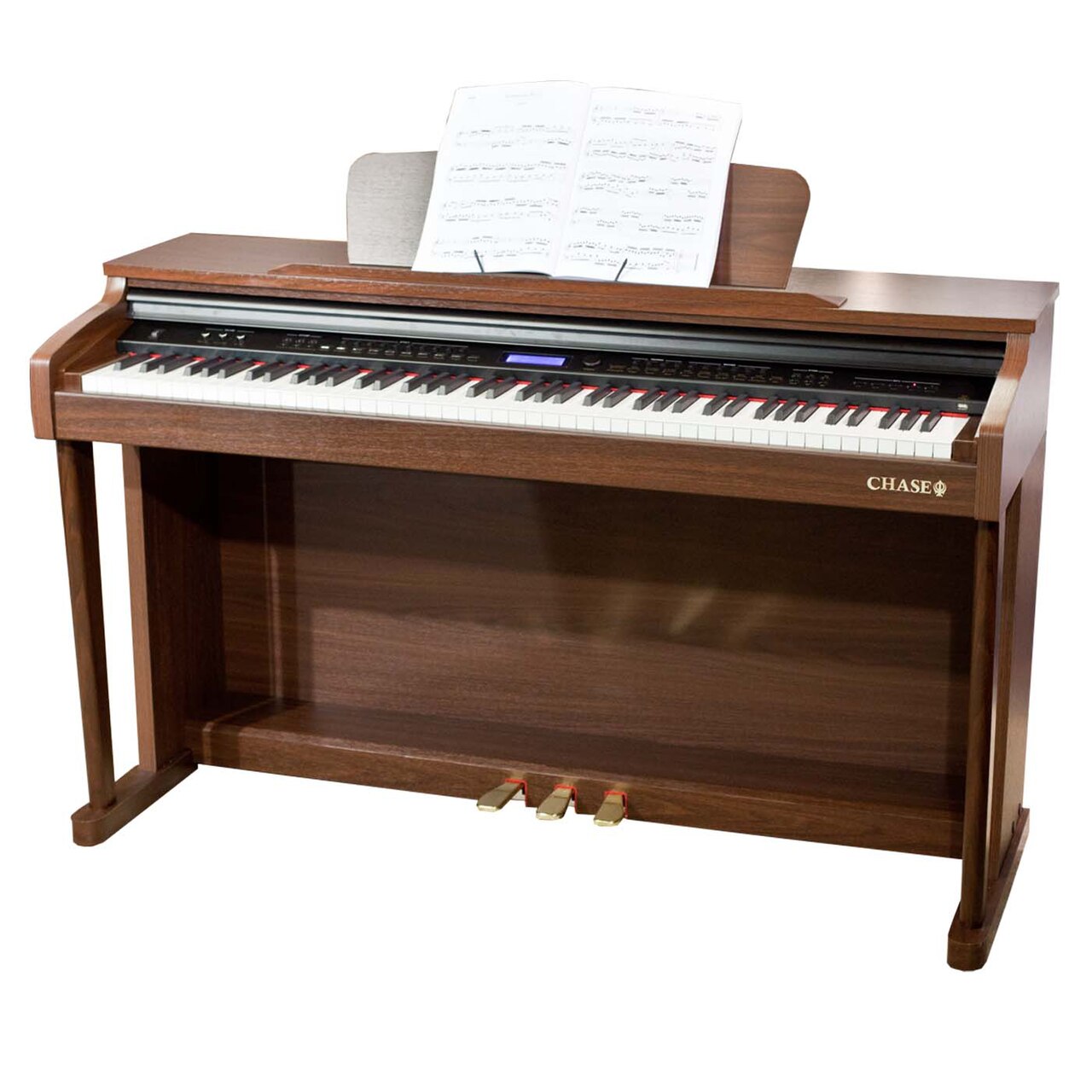
An eighty-eight key piano runs from A0 at the bottom to C8 at the top, seven and a quarter octaves. That range was standardised in the late nineteenth century, once composers had begun writing notes that earlier instruments could not reach.
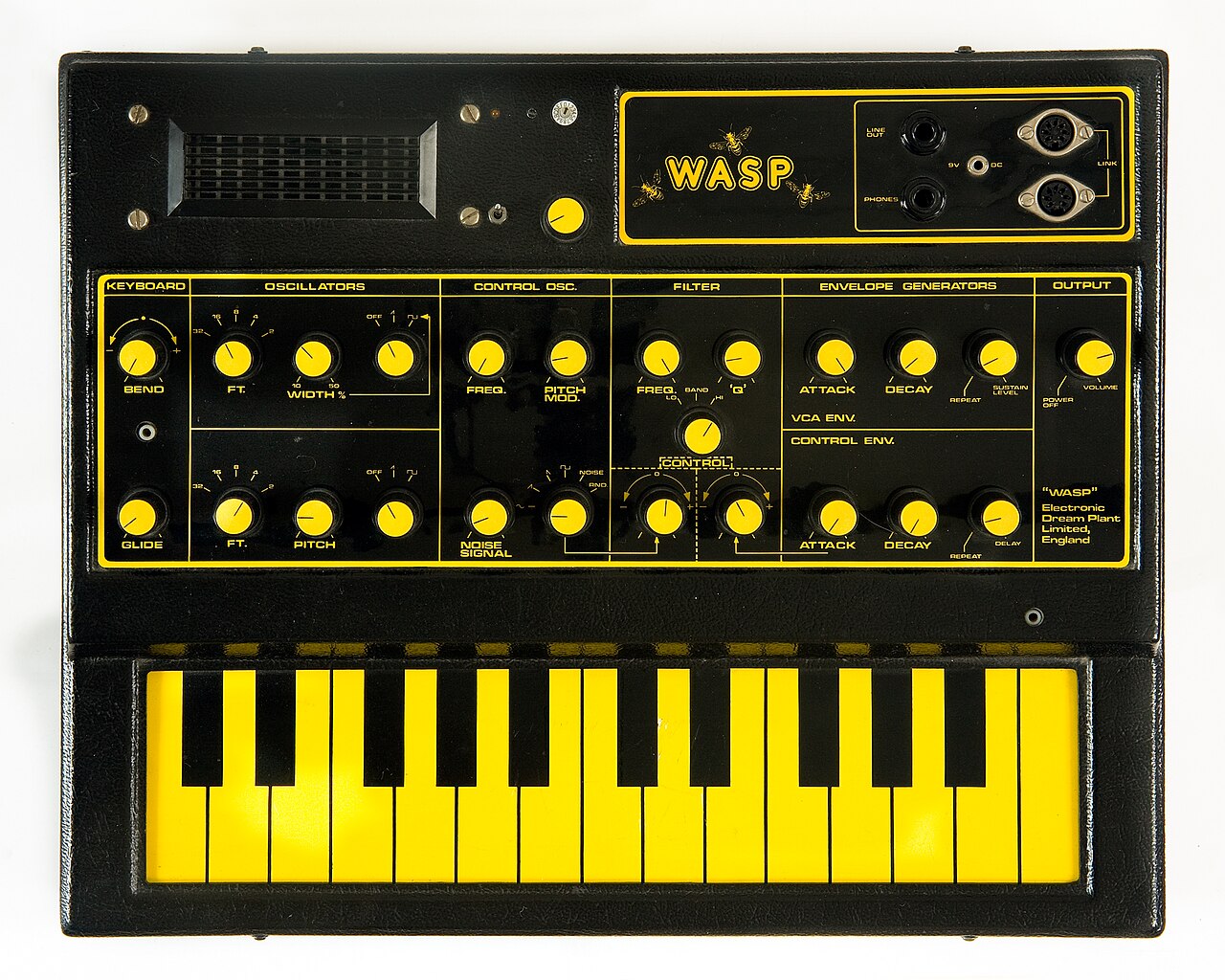
Sixty-one keys covers C2 to C7, five octaves. That is enough for most pop, rock and jazz, and it cuts off exactly the registers that Romantic and twentieth-century piano music uses.
What you lose with sixty-one keys
The bottom two octaves are where left-hand bass writing lives in advanced repertoire. A piece that expects a low octave and does not get it sounds thin, and the obvious workaround, playing the passage an octave higher, changes the voicing and often collides with the right hand.
The top end matters less often, but when a piece ends on a high flourish, running out of keys is unmistakable.
When seventy-six makes sense
Seventy-six keys, usually E1 to G7, covers almost everything a beginner or intermediate player will meet, in a cabinet that fits a smaller room and at a lower weight. It is a sensible compromise for someone who wants portability without losing the low E and F that appear constantly in popular music.
Key count and action quality trade-off
Every key adds cost. At a fixed budget, an eighty-eight key instrument spends less per key than a seventy-six key one, which often shows in the action. A good seventy-six key piano can feel better than a mediocre eighty-eight key one, and that trade-off is real rather than theoretical.
Which matters more depends on the goal. If the goal is classical repertoire, range is non-negotiable. If the goal is learning to play well in a pop context, action quality wins.
Physical size in a small room
An eighty-eight key instrument is about 130 to 140 centimetres wide, which is wider than most desks and wider than many bedroom walls allow. A seventy-six key model is around 115 centimetres and a sixty-one key one around 95.
Measure the wall before you buy, not after. A piano that does not fit gets moved to a corridor and stops being practised on, which is the most expensive outcome of all.
Weight and moving
Full-range cabinet instruments weigh between 35 and 60 kilograms. Stage pianos in the same range weigh 12 to 20 kilograms because they have no cabinet. If the instrument will move between flats or be taken to lessons, the difference decides whether it travels.
Does the extra range get used
Honestly, most beginners use the middle three octaves for the first year. That is not an argument against eighty-eight keys; it is an argument that the range is insurance for later rather than a feature you will use next month.
The insurance is cheap if you plan to keep the instrument for a decade, and expensive if you might sell it in a year. Buying eighty-eight keys and selling is easier than buying sixty-one and upgrading, because the second-hand market for full-range instruments is deeper.
How to decide
Buy eighty-eight keys if you intend to study classical repertoire, take graded exams or keep the instrument long term. Buy seventy-six if space or weight is the constraint and the repertoire is popular music. Buy sixty-one only if the instrument is for production, gigging or a child who is still deciding.
If you are comparing specific models, this guide to 88 key digital pianos is useful mainly for checking physical dimensions and weight alongside key count, because those are the numbers that decide whether the instrument fits your room.
Octave transposition is not a workaround
Some keyboards offer an octave shift button, which sounds like a solution to a limited range. It is not: shifting the whole keyboard moves the hands as well, so a passage that needs both a low bass note and a high melody cannot be played. The range has to be there physically.
Second-hand considerations
Full-range instruments hold value better because the buyer pool is larger. Check every key across the full range when buying used, especially the extremes, where sticky keys and dead notes are easiest to miss.
Octave transposition is not a workaround
Some keyboards offer an octave shift button, which sounds like a solution to a limited range. It is not: shifting the whole keyboard moves the hands as well, so a passage that needs both a low bass note and a high melody cannot be played. The range has to exist physically.
Second-hand considerations
Full-range instruments hold value better because the buyer pool is larger. Check every key across the full range when buying used, especially the extremes, where sticky keys and dead notes are easiest to miss. Play a chromatic scale from the lowest key to the highest rather than testing a handful in the middle.
How the cabinet size affects the sound
A full eighty-eight key cabinet is a larger resonating box, and the speakers in it have more room to sit apart. That wider stereo image is one of the real advantages of a full-size instrument, and it is a reason not to buy a seventy-six key model purely to save fifty centimetres of wall.
Transport and lessons
If the instrument will travel to lessons, the key count matters less than the weight. A seventy-six key stage piano at ten kilograms gets taken to lessons; an eighty-eight key cabinet instrument at fifty kilograms never leaves the living room. Decide whether the instrument is furniture or equipment, because that answer decides everything else.
A note on buying second-hand
The second-hand market for this equipment is unexpectedly good, because most buyers are replacing something that still works. Check the parts that wear rather than the parts that look worn: cables, switches and anything with a moving joint. A scuff on the outside costs nothing; a loosened joint or a frayed cable is the beginning of a replacement.
Ask how old the item is and what it was used for. Equipment that lived in a cupboard is usually better value than equipment that lived in a shop window, even when the shop one looks cleaner.