An espresso machine and a pod coffee maker both deliver a concentrated coffee drink in the morning, and both sit on the same few inches of kitchen counter. Beyond that they are different appliances with different costs, different routines and different failure modes, and most buyers underestimate how much the routine matters.
This comparison is about daily life rather than specifications, because the specifications of a thousand-dollar espresso machine and a hundred-dollar pod machine are not really comparable in the first place.
What each one actually does
A pod machine forces hot water through a sealed capsule of pre-ground coffee at a fixed pressure. The grind, the dose and the tamp are decided by the capsule manufacturer, and the machine does the rest. There is nothing to adjust beyond cup size and, on some models, strength.
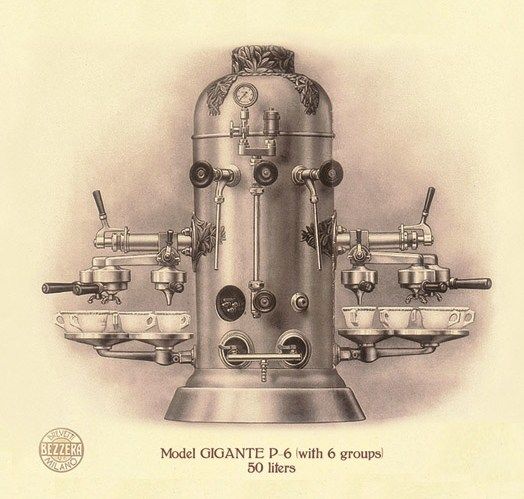
An espresso machine forces water through a basket of coffee you grind and tamp yourself. Pressure, dose, grind and temperature all become variables you control, which is either the entire appeal or the entire problem depending on your temperament.
Cost over three years
A pod machine costs very little up front and a lot per cup. Capsules typically run between forty cents and a dollar each, so two cups a day is roughly three hundred to seven hundred dollars a year in coffee alone.
An espresso machine costs several hundred dollars up front plus a grinder, which is not optional. In exchange, a kilogram of quality beans costs far less per cup. Households that drink two or more cups a day usually find the espresso setup cheaper by the second year, and considerably cheaper by the third.
One-cup-a-day households almost never break even, which is the group pod machines are genuinely built for.
The routine, which is what you actually live with
A pod machine is ready in thirty seconds, needs no cleaning beyond emptying the capsule bin and descaling occasionally, and never produces a bad cup because you were rushed. Its weakness is that it never produces a great cup either, because the coffee was ground months ago and sealed in plastic.
An espresso machine takes ten to twenty minutes to heat up, requires a grinder, produces a wet puck to knock out and a portafilter to rinse, and rewards attention. On a morning when you are late, it is a nuisance. On a morning when you are not, it is the best part of the day.
Quality ceiling and floor
The pod machine has a high floor and a low ceiling: consistently acceptable, rarely memorable. The espresso machine has a low floor and a high ceiling: capable of excellent coffee and also capable of genuinely bad coffee while you are learning.
The learning curve is real. Grind setting, dose and distribution take a few weeks to understand, and during that time the coffee is worse than a capsule. Buyers who do not expect this often conclude the machine is faulty.
Maintenance and repair
Pod machines are largely disposable. When the pump or the thermoblock fails, replacement is usually cheaper than repair, and the sealed capsule system means there is little to service.
Espresso machines are repairable, and a well-chosen machine lasts a decade with descaling, backflushing and occasional gasket replacement. That longevity is part of what the higher price buys, and it depends on using decent water in the first place.
Space, noise and the small kitchen
A pod machine occupies very little counter space and can be pushed back against a wall. An espresso machine plus grinder occupies roughly twice as much, needs clearance above for filling the water tank, and needs to sit somewhere you can reach the drip tray.
Both are noisy, the espresso machine more so because the pump runs longer. In a small flat with thin walls, that matters at six in the morning.
Which one fits which household
Choose the pod machine if you drink one cup a day, want zero learning curve, value speed above quality, and have limited counter space. Choose the espresso machine if you drink two or more cups a day, enjoy the process, and are willing to spend three weeks making mediocre coffee while you learn.
The middle ground, a manual lever or a moka pot, is worth considering before either, and it costs less than both. This espresso machine vs pod coffee maker breakdown is a useful check on the running costs before you commit to a capsule system.
The grinder is not optional
Budget for a burr grinder at the same time as the espresso machine, or buy a machine with one built in. A cheap blade grinder produces an uneven grind, and an uneven grind means channelling, which means sour and bitter at the same time no matter how good the machine is. The grinder affects the cup more than the machine does.
Water and descaling
Hard water kills espresso machines quietly. Use filtered water, or budget for descaling every few months. Pod machines tolerate harder water longer but still scale, and a scaled thermoblock is the usual cause of a pod machine that suddenly runs cold.
Try before you buy
If you can, use a friend espresso setup for a week. The routine is the part you cannot evaluate from a specification sheet, and it is the part that decides whether the machine gets used or gathers dust next to the kettle.
What about milk drinks
If your daily coffee is a flat white or a cappuccino, the steamer matters as much as the espresso. A cheap machine with a panarello wand makes foam that is acceptable and never silky, and a machine with a proper steam valve is a meaningful step up in price. Pod machines that advertise milk usually do it with a separate frother, which works but adds another object to clean.